
NetSuite CRM vs. Salesforce
Which CRM Is the Better Choice for Growing Companies?
What defines the relationship between a company and its customers? And more importantly: how can this relationship be managed efficiently, so that a business not only understands what customers want but is also able to respond quickly and consistently? Increasingly, this also means anticipating customer needs before they arise, rather than reacting only after the fact.
More Than Sales: CRM as the Core of Your System Architecture
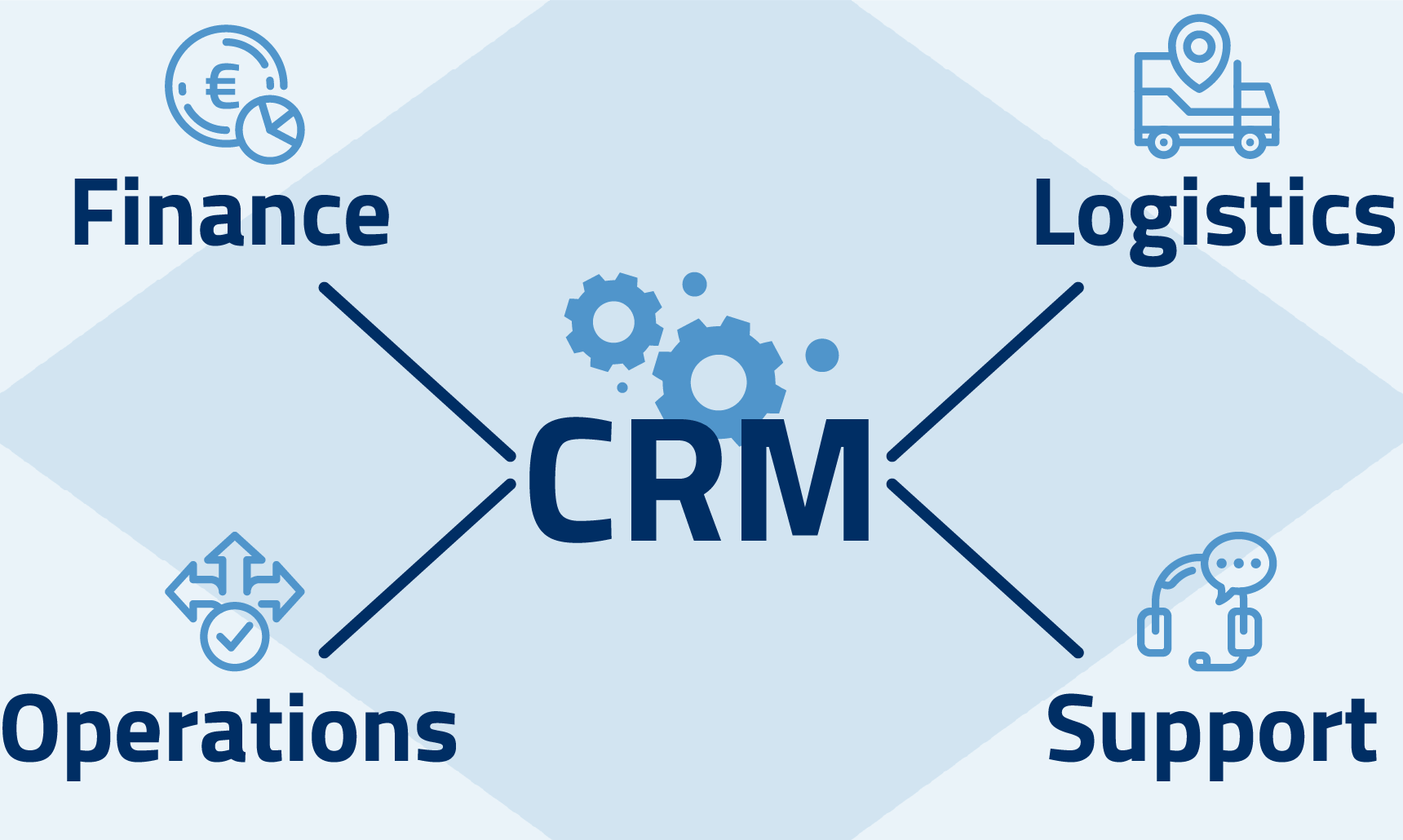
Customer Relationship Management (CRM) has never been just about selling products. It’s about communication, trust, and long-term loyalty – and when managed well, it drives better decisions and sustainable revenue growth. Today, CRM is no longer a standalone tool, but a core part of a company’s system architecture, connecting sales, service, finance, logistics, and operations.
Content
The Scale-up Perspective: From Salesforce to Integrated ERP
Modern digital platforms play a key role in structuring and scaling these areas. In our experience supporting scale-ups through their growth phases, we’ve noticed that Salesforce is often considered when businesses evaluate professional CRM solutions. While Salesforce is widely recognized as a leading CRM platform, NetSuite CRM takes a distinct approach by integrating CRM directly into an ERP environment. Understanding these differences – and knowing whether your business needs a specialized sales tool or an integrated business foundation – is essential for choosing the right path.
What is CRM – And Why It Matters for Growing Businesses
At its core, CRM describes how companies manage customer relationships across the entire lifecycle – from the first interaction to long-term retention. What began as a tool for tracking contacts has evolved into a strategic business platform. For growing companies, it now supports forecasting accuracy and enables closer collaboration between sales, finance, and operations.
The Four Pillars of Modern CRM Strategy
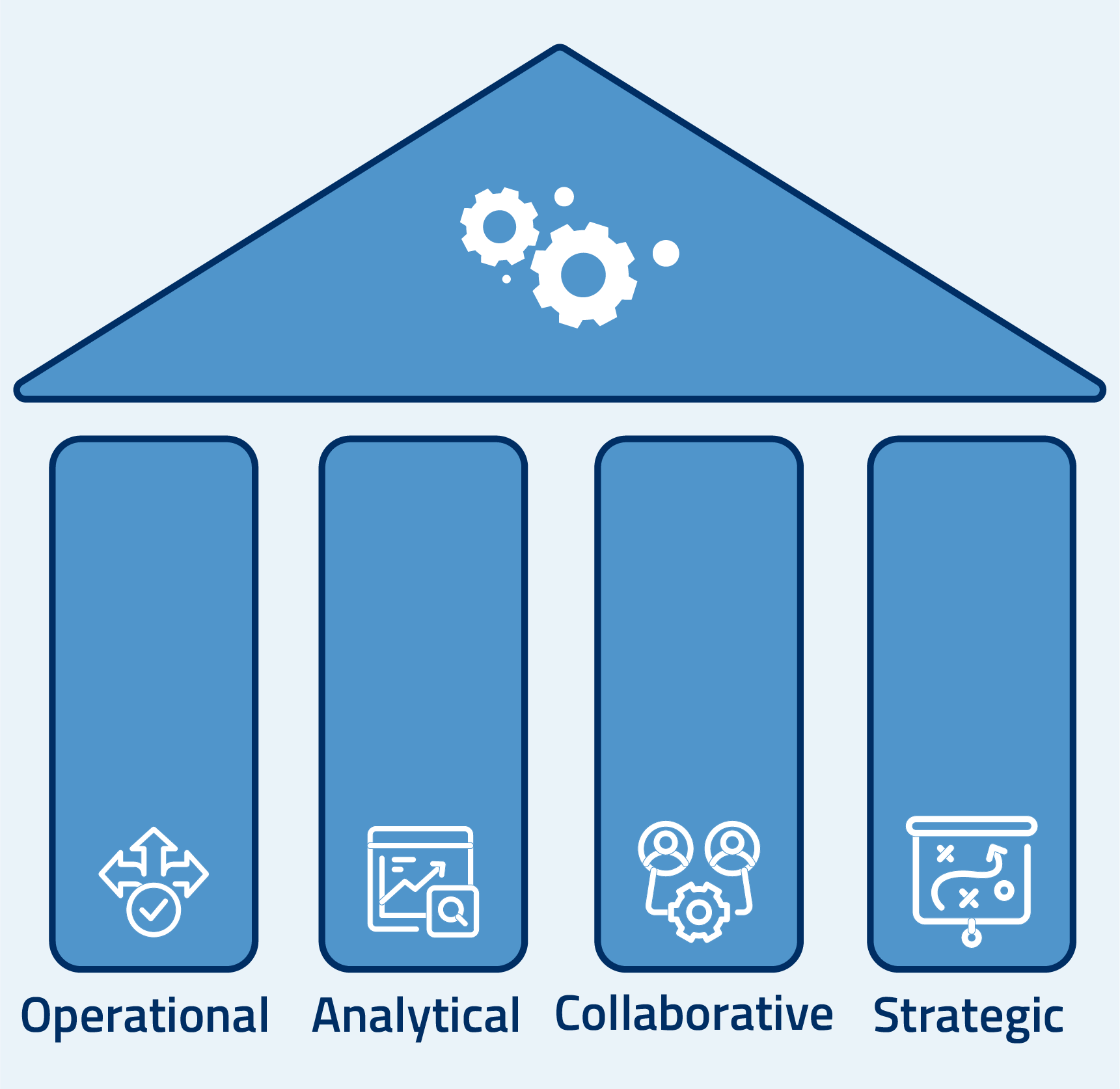
CRM capabilities are commonly grouped into four types:
- Operational CRM: Automates sales and service processes.
- Analytical CRM: Turns customer data into insights.
- Collaborative CRM: Connects teams and channels.
- Strategic CRM: Focuses on long-term customer value.
Modern platforms increasingly combine all four approaches within a single system. At this stage, the differences between platforms become more apparent.
The Usability Myth: Why Integration Beats Interface
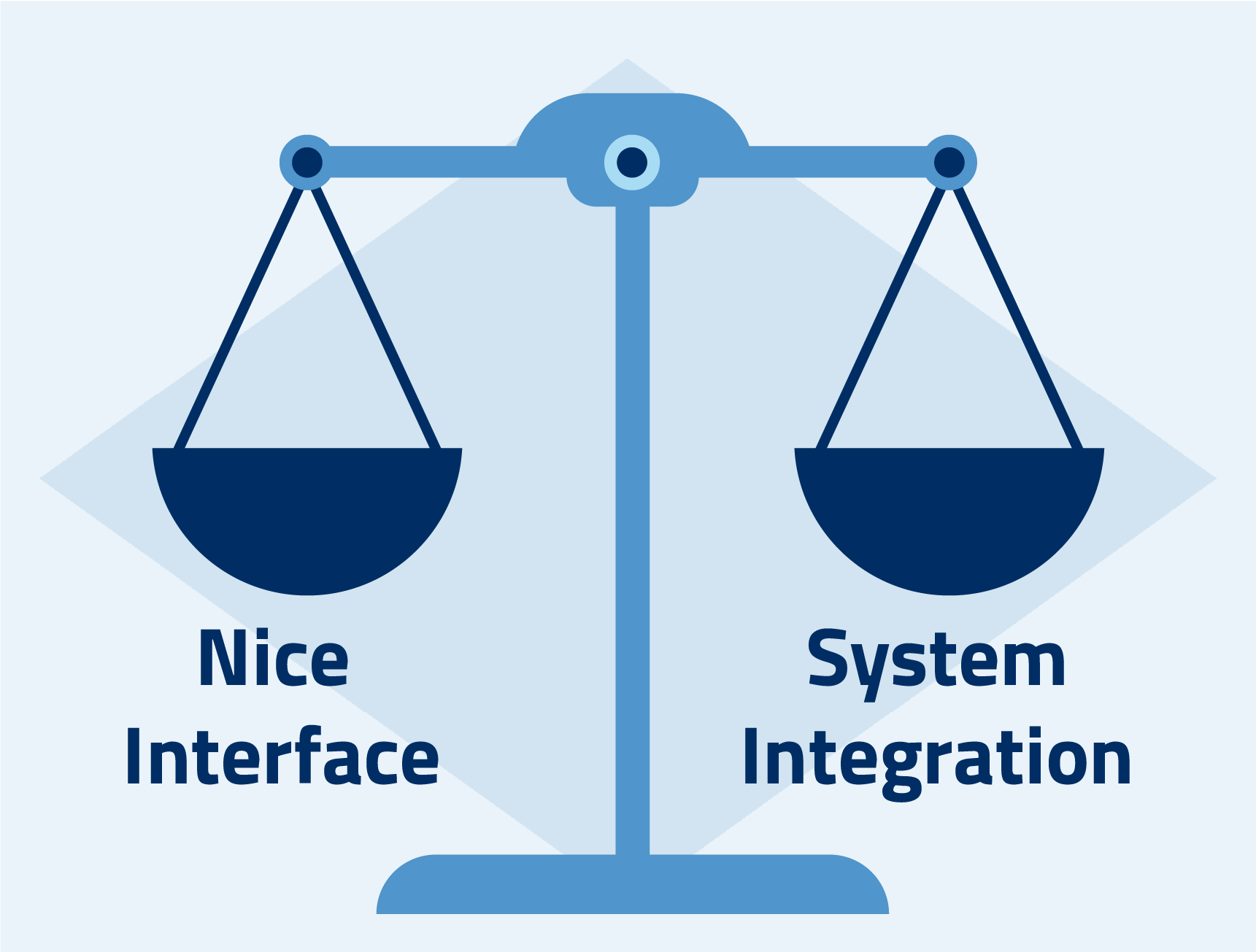
Ease of use is a common criterion, but it is highly subjective. Usability is not just about a clean interface; it also depends on how well a system fits a company’s roles and existing landscape.
The CFO’s Dilemma: Modern Interfaces vs. Strategic Integration
In practice, we often see a recurring tug-of-war: The CFO introduces NetSuite to streamline finance, but Sales and Marketing teams cling to standalone tools like Salesforce or HubSpot. Why? Because these teams love the specialized, “shiny” interfaces and mobile-first workflows designed for their daily work.
However, this departmental preference comes at a high price – literally. Maintaining a premium standalone CRM alongside an ERP often leads to six-figure licensing overlaps that grow every year. And the hidden costs are even greater, often referred to as the “friction tax.”
A Practical Example: The Lead-to-Support Lifecycle
Imagine a customer calling support with a technical issue. In a fragmented world, the support agent (in NetSuite) cannot see that Sales (in a standalone CRM) is currently negotiating a major upsell. As a result, the agent might provide a standard response that inadvertently frustrates a high-value prospect.
In a unified NetSuite environment, this “silo” doesn’t exist. The support agent sees the open opportunity, Marketing sees the support ticket, and Finance sees the real-time impact on the forecast – all without manual syncs.
The "Pragmatic" Trap: Thinking Beyond the Immediate Next Step
For companies not yet running an ERP, the decision often seems straightforward. Many consider introducing “just” a professional CRM like Salesforce, especially if their existing finance tools or spreadsheets still feel “good enough.” In these situations, a standalone CRM appears to be the most pragmatic path forward.
However, as a trusted partner for growing businesses, we often encourage leadership teams to look 12 to 24 months ahead. The real question is: how long will that “satisfactory” finance setup hold up once your CRM starts driving more deals?
Before committing to a standalone path, companies should weigh the short-term ease of a quick CRM fix against the long-term cost of “system debt” – the effort required later to stitch together fragmented data silos.

NetSuite CRM vs. Salesforce – Which Is Better?
Salesforce is a leading cloud-based platform, particularly strong in sales-driven organisations that prioritize flexibility and a broad ecosystem. For companies with a clear focus on standalone CRM functionality, it can be a powerful choice.
The Value of Integration and Future-Proofing
However, NetSuite CRM embeds customer management directly into an integrated ERP environment. Sales activities, financials, and operational processes are all managed within a single system and data model.
Looking beyond today, the choice of platform determines how you will use data in the years to come. In a fragmented landscape, AI and analytics often struggle because the data is trapped in silos or inconsistent across tools. By consolidating all your data in a single system, NetSuite can transform “reliable forecasting” from a manual guessing game into a strategic, data-driven asset.
NetSuite CRM, Finance, and Compliance
As CRM systems expand, questions around finance, compliance, and operational stability become increasingly relevant. This is especially true for companies operating across multiple entities or countries.

- Audit Readiness: Aligning customer processes with financial reporting (e.g., via NetSuite DATEV) reduces reconciliation effort and supports audit readiness.
- Eliminating the Upgrade Burden: As a cloud-based platform, NetSuite is updated centrally. New features and security enhancements are delivered automatically, running in the background without manual upgrade projects or downtime.
- Focusing on Growth: This model reduces internal IT overhead, ensuring CRM capabilities remain up to date while the business focuses on scaling.
Conclusion
There is no universally “best” CRM system – but there is a best fit depending on how a company wants to grow and work together.
From our experience with growing companies, there are frequent complaints about teams thinking and operating in silos. A fragmented system landscape often exacerbates: when Sales operates in a tool that does not communicate with Finance or Operations, information gaps and friction are inevitable. Integrated platforms like NetSuite are designed to address this by working on a shared data model across CRM, ERP, and Finance.
The decisive question, therefore, is not which CRM is “better”, but what role CRM should play within your organisation: Do you want to optimize a highly specialized tool for your sales team, or are you looking for an operating system for your entire business that prevents silos from forming in the first place and enables seamless collaboration across all roles?